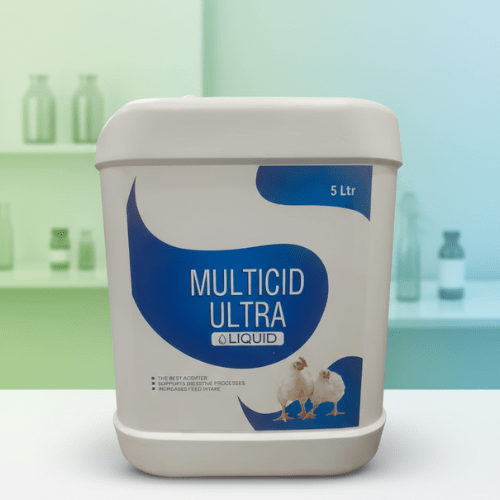
Featured Product: MULTICID ULTRA LIQUID
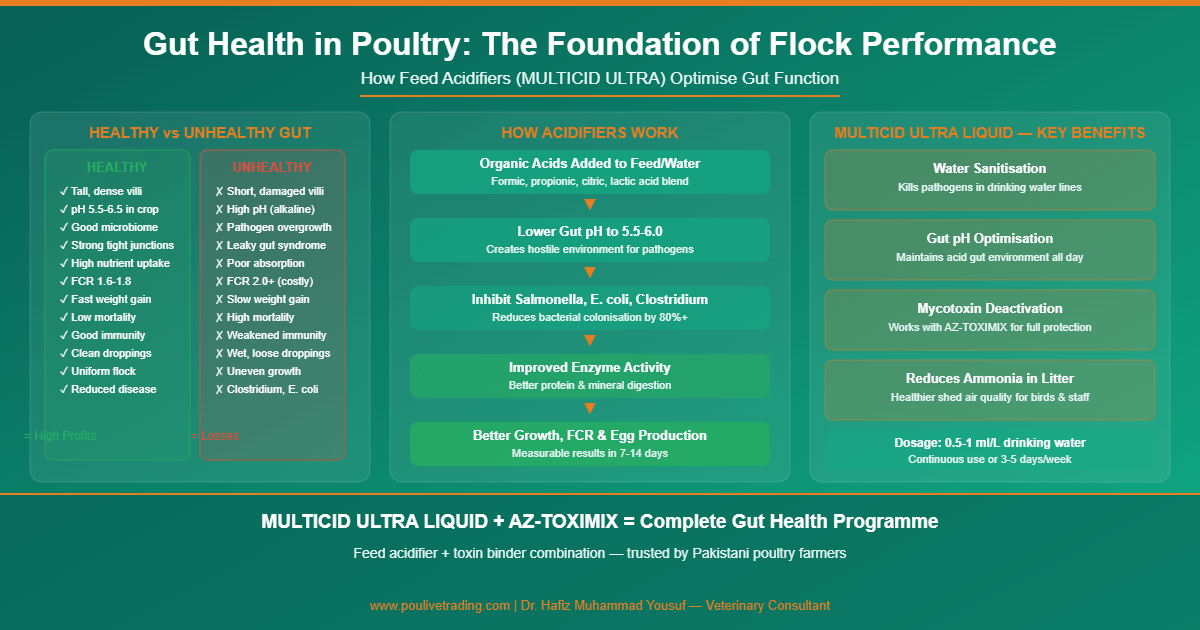
MULTICID ULTRA LIQUID is a premium blend of organic acids that lowers gut pH, inhibits Salmonella, E. coli and Clostridium, sanitises drinking water lines and reduces litter ammonia — delivering measurable improvements in FCR and gut health within 7–14 days of use.
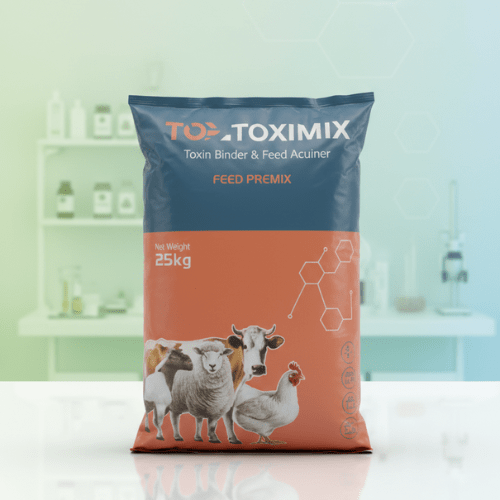
Featured Product: AZ-TOXIMIX
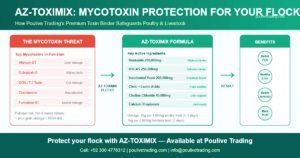
Gut health is compromised by both pathogens and mycotoxins. AZ-TOXIMIX works alongside MULTICID to bind feed toxins before they damage villi and impair nutrient absorption, giving your flock the best possible digestive environment.
In modern commercial poultry production, performance ultimately comes down to one thing: how well the bird’s gut absorbs nutrients. A healthy gut lining means better feed conversion, stronger immunity, lower susceptibility to enteric disease, and more profit per bird. A compromised gut — from pathogens, mycotoxins, poor nutrition, or antibiotic overuse — reverses every other investment you make on the farm.
The global move away from antibiotic growth promoters (AGPs) — a trend increasingly affecting Pakistani poultry production — has put gut health management at the centre of farm profitability. Feed acidifiers, such as those in MULTICID ULTRA LIQUID and AZ-TOXIMIX from Poulive Trading, are among the most powerful, well-researched tools available for maintaining a healthy gut environment.
Understanding the Poultry Gut
The gastrointestinal tract performs multiple critical functions simultaneously:
- Digestion: Breaking down complex feed components (starch, protein, fat) into absorbable units
- Absorption: Intestinal villi — finger-like projections — take up amino acids, sugars, fatty acids, vitamins, and minerals into the bloodstream
- Barrier function: The gut lining acts as a physical and immunological barrier preventing pathogens and toxins from entering the body
- Immune function: Over 70% of the body’s immune cells reside in or around the gut (GALT — Gut-Associated Lymphoid Tissue)
- Microbiome regulation: A healthy gut harbours a diverse, stable microbiome that outcompetes pathogens through competitive exclusion
Key Threats to Poultry Gut Health
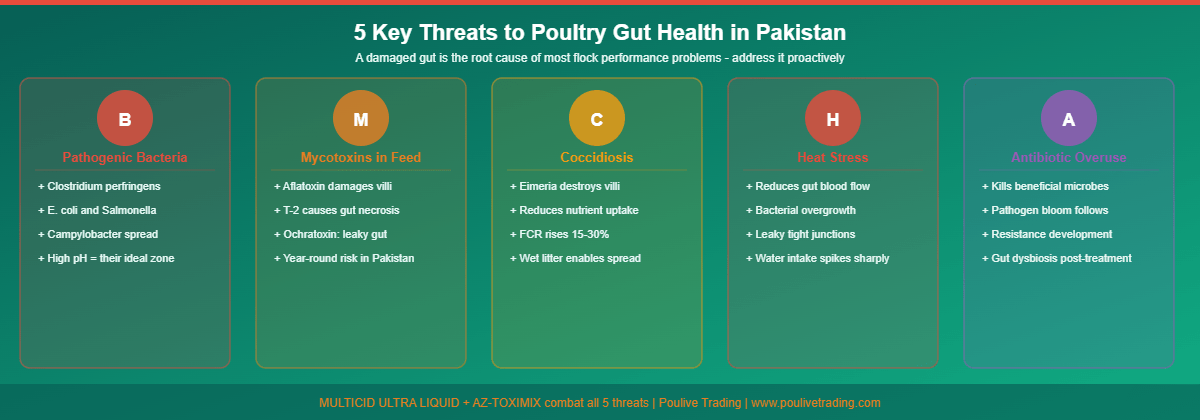
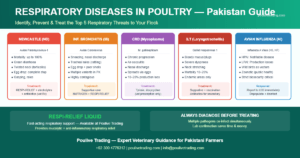
- Coccidiosis (Eimeria spp.): Destroys villus tips — catastrophic loss of absorptive surface area
- Necrotic Enteritis (Clostridium perfringens): Often follows coccidiosis — rapid haemorrhagic destruction of the intestinal wall
- Mycotoxins: Deoxynivalenol (DON) directly attacks intestinal epithelial cells and suppresses feed intake
- Antibiotic overuse: Disrupts the microbiome, allowing pathogen overgrowth (dysbiosis)
- Wet litter and high ammonia: Damages intestinal mucosa and the respiratory tract simultaneously
- Feed quality issues: Rancid fat, high NSP content, or excess undigested protein feeds pathogenic bacteria in the hindgut
- Transition stress: Diet changes, placement, vaccination — all temporarily disrupt the gut microbiome
How Feed Acidifiers Improve Gut Health
1. Reduction of Gastric pH
Organic acids (citric, lactic, acetic, formic, propionic, fumaric) lower pH in the upper GI tract. This inhibits acid-sensitive pathogens like Salmonella, E. coli, Campylobacter, and Clostridium perfringens. A lower gastric pH also activates pepsinogen to pepsin, improving protein digestion efficiency.
2. Direct Antimicrobial Activity
The undissociated (non-ionised) form of organic acids penetrates bacterial cell walls, disrupts membrane potential, and inhibits bacterial enzymes — killing or inhibiting the pathogen. Different acids target different organisms: formic and propionic acids are particularly active against Salmonella; butyric acid specifically inhibits C. perfringens.
3. Improved Mineral Absorption
Calcium, phosphorus, zinc, manganese, and copper are all better absorbed in an acidic environment. Feed acidifiers improve the bioavailability of these critical micronutrients — especially important for immunity, bone formation, and enzyme function.
4. Improved Villus Architecture
Peer-reviewed studies consistently show that birds on feed acidifier programmes have longer intestinal villi (greater absorptive surface area) and shallower crypts (less energy wasted on cell renewal). This directly translates into better feed conversion and daily weight gain.
5. Feed Preservation
Acidifiers in feed act as preservatives — preventing mould and bacterial growth in the feed itself before and after consumption. This extends feed shelf life and reduces mycotoxin formation risk in the feeder.
MULTICID ULTRA LIQUID from Poulive Trading
MULTICID ULTRA LIQUID is Poulive Trading’s multi-acid liquid feed acidifier formulated for use in drinking water or direct feed application. It provides a carefully balanced organic acid blend that:
- Effectively reduces gut pH to create a pathogen-hostile environment throughout the GI tract
- Controls bacterial pathogens including Salmonella, E. coli, and Clostridium perfringens
- Improves nutrient digestibility and absorption
- Preserves feed quality and prevents mould proliferation
- Improves litter quality by reducing faecal water content and litter pH
Salmonella Control: Critical for Food Safety in Pakistan
Salmonella is not just a poultry health issue — it is a major public health concern. Salmonella-contaminated poultry meat and eggs cause millions of human cases of food poisoning globally every year. Pakistani poultry products entering domestic and export markets face increasing scrutiny on Salmonella contamination levels. Feed acidifiers have been shown in multiple peer-reviewed studies to reduce Salmonella caecal counts by 1–2 log₁₀ — a significant food safety improvement that benefits your buyers, consumers, and your reputation.
Building a Complete Gut Health Programme
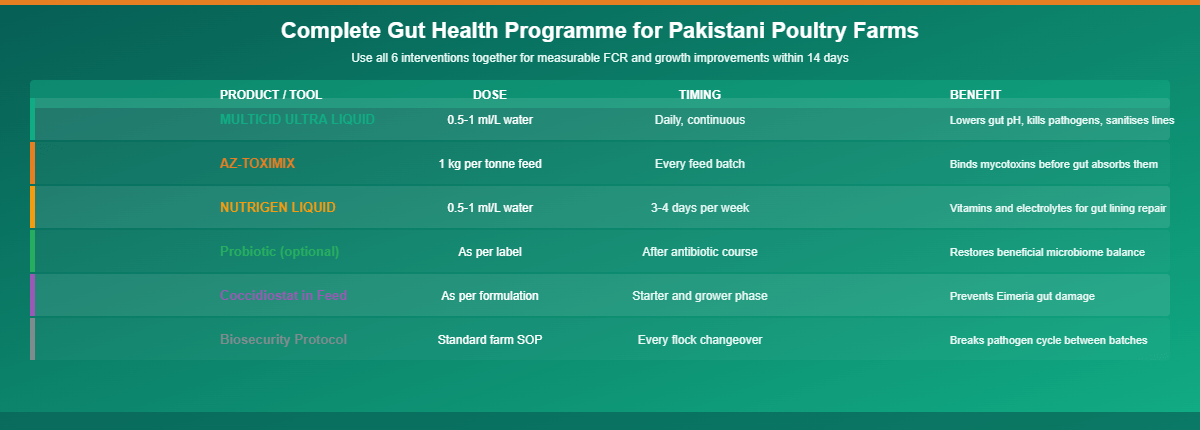
Acidifiers deliver the best results as part of a comprehensive gut health strategy:
- Coccidiosis control: Rotate coccidiostats; use coccidiosis vaccination for replacement flocks and layers
- Mycotoxin management: Use AZ-TOXIMIX toxin binder to prevent gut damage from contaminated feed
- Litter management: Maintain dry, friable litter — the single biggest environmental factor for gut health
- Antibiotic stewardship: Use antibiotics only when clinically indicated and under veterinary prescription — avoid growth promoter use
- Feed quality: Use high-quality raw materials; ensure correct amino acid balance and low rancidity
- Vitamin and electrolyte support: Use NUTRIGEN LIQUID during stress periods to support mucosal immunity
Performance Improvements With Better Gut Health
- FCR improvement of 0.05–0.15 points — direct feed cost savings per bird
- Daily weight gain increase of 20–40 g/bird translating to earlier marketing
- Reduction in wet litter-related footpad dermatitis and hock burns
- Lower frequency and severity of enteric disease outbreaks
- Improved vaccine responses — a healthy gut means a healthy immune system
- Lower condemnation rates at slaughter (cleaner carcasses, healthier livers and kidneys)
MULTICID ULTRA LIQUID and AZ-TOXIMIX are available from Poulive Trading. Build your farm’s gut health programme today. Contact: +92 300 4776312 | info@poulivetrading.com
Disclaimer: Feed additives should be used in accordance with product labels and applicable regulations. Consult a poultry nutritionist or veterinarian for a programme tailored to your farm.